

What Does a CCTV Drain Survey Report Look Like?
If you have never arranged a drain survey before, you may be wondering what the final report actually includes. A professional CCTV drain survey report is designed to give a clear picture of the condition of the drainage system, using written observations, defect coding, camera images and section-by-section findings to explain what was found and whether any further work is recommended.
Whether the survey is being arranged for a property purchase, recurring drainage problems or general peace of mind, the report is an important part of the process. It helps homeowners, buyers and property professionals understand the condition of the drains and decide what action, if any, may be needed.
What Is a CCTV Drain Survey Report?
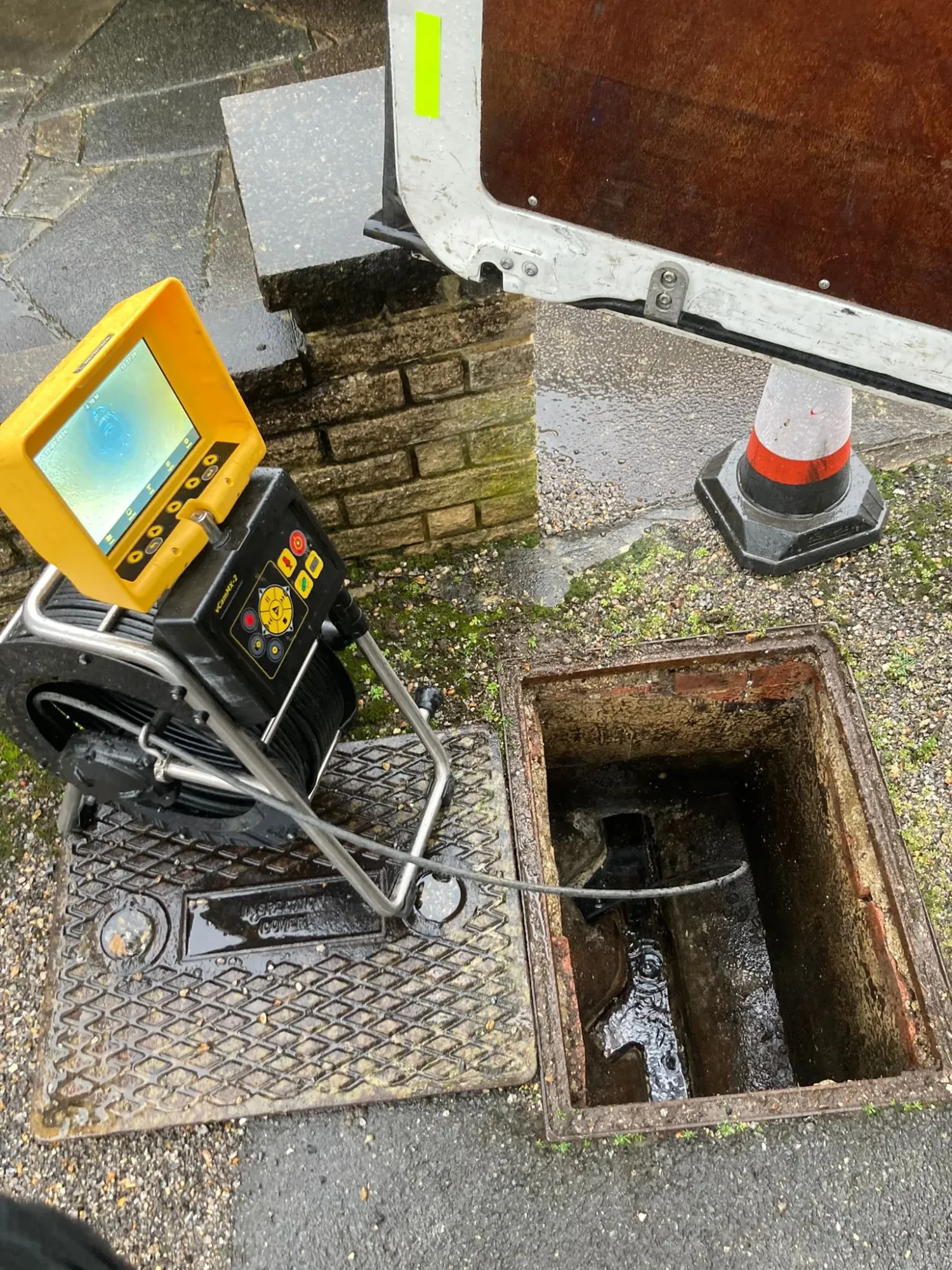
A CCTV drain survey report is a written and visual record produced after a drainage inspection has been carried out using specialist camera equipment. The camera is fed through the pipework so the surveyor can inspect the inside of the drains and identify any signs of damage, blockages, build-up, root ingress or structural issues.
The report brings all of that information together in a format that is easier to understand. Rather than simply being told that there is a problem, the client receives a breakdown of what was inspected, what was found and what the findings may mean.
What Is Included in a Drain Survey Report?
A professional drain survey report will usually include several different sections to help explain the condition of the drainage system clearly.
This often starts with a summary page that outlines the project and the type of inspection carried out. There is then usually an interpretation or grading section to explain how defects are assessed and how serious any issues may be.
The main part of the report is normally broken down into individual sections of pipework. Each section may include the start and end points of the run, the pipe size and material, the use of the drain, and written comments about the condition of that part of the system.
The report may also include:
- camera images taken during the inspection
- recorded observations from within the pipework
- defect codes used by drainage professionals
- notes about access restrictions or hidden inspection chambers
- recommendations for cleaning, repairs or further investigation
Summary and Grading Information
One of the most useful parts of a CCTV drain survey report is the summary and grading information. This helps explain the seriousness of any findings rather than simply listing them.
For example, some observations may show that the drain is in serviceable condition and does not currently need any work. Other findings may highlight areas that should be monitored, cleaned or repaired. This allows the client to understand whether the report is largely reassuring or whether there are issues that need attention.
This is particularly helpful for people buying a property, as it helps turn technical drainage findings into something more practical and easier to act on.
Section-by-Section Drainage Findings
A good CCTV drain inspection report does not just provide one overall comment. It breaks the drainage system down into sections so each part of the pipework can be reviewed properly.
For each section, the report may explain:
- where the section starts and finishes
- the direction of the inspection
- the material of the pipe
- the size and use of the drain
- whether any deposits, defects or unusual features were found
- whether any maintenance is recommended
This section-by-section structure makes it easier to pinpoint where problems are located and whether they affect the whole system or only one isolated run.
Images and Observations
One of the clearest parts of a drain survey report is usually the inclusion of still images captured during the survey. These images help show what the camera saw inside the drainage system at the time of the inspection.
Alongside the images, the report will often include observations about conditions such as water levels, deposits, grease, encrustation, displaced joints or changes in pipe direction. This gives useful visual context and helps the client understand why a recommendation has been made.
For many property buyers and homeowners, this is the point where the report becomes much easier to follow, as it combines technical notes with actual inspection evidence.
Defect Codes Explained
Drain survey reports often use standard drainage codes to record defects and observations accurately. These codes help surveyors keep reporting consistent, but they can look confusing if you have never seen them before.
A professional report will normally make these easier to interpret by including descriptions or a guide to common abbreviations. This means the client is not left trying to work out what each code means on their own.
Examples of things a report may refer to include grease deposits, encrustation, water levels, remarks, material changes and other observations recorded during the inspection.
Why Clear Reporting Matters
The quality of the report matters just as much as the survey itself. A clear, professional report gives the client something practical to work from after the inspection has taken place.
For example, a homebuyer may use the report to better understand the condition of the drains before exchange. A homeowner with recurring drainage issues may use it to identify the cause of the problem. A landlord or property professional may need the report as supporting information when planning maintenance or repairs.
Without clear reporting, even a thorough inspection can be much harder to interpret.
When Might You Need a CCTV Drain Survey Report?
There are several situations where a CCTV drain survey report can be especially useful.
These include:
- buying a property
- recurring blockages or bad smells
- suspected underground drainage damage
- pre-building or extension work
- insurance-related drainage concerns
- ongoing maintenance planning
In all of these cases, the report provides a clearer understanding of what is happening below ground.
Professional CCTV Drain Surveys in West Sussex
Open Flow Drains carries out professional CCTV drain surveys for homeowners, buyers and property professionals across West Sussex. Each survey is completed using specialist inspection equipment, with clear reporting to help explain the condition of the drainage system and highlight any recommended next steps.
If you are dealing with suspected drainage problems or want reassurance before purchasing a property, a professional survey can provide the detail needed to make an informed decision. To arrange a CCTV drain survey, please contact Open Flow Drains.
Click here for more information on what we offer within this service or get in touch to book your own survey or find out more. You can also follow us on Facebook to keep up to date with our latest projects.
FAQs
What does a CCTV drain survey report look like?
A CCTV drain survey report usually includes a summary of the inspection, section-by-section findings, camera images, recorded observations and recommendations for any further work if needed.
Does a drain survey report include images?
Yes, most professional drain survey reports include still images taken during the inspection to help show the condition of the pipework and support the written findings.
Can a homebuyer use a drain survey report?
Yes, a homebuyer drain survey report can be very useful when purchasing a property, as it helps identify hidden drainage problems that may not appear during a standard building survey.
What can a CCTV drain inspection report show?
A CCTV drain inspection report can show issues such as blockages, grease build-up, root ingress, cracked pipework, displaced joints and other drainage defects.
Why are defect codes used in drain survey reports?
Defect codes are used to record drainage observations consistently and accurately. A good report should also explain these codes clearly so the findings are easier to understand.


